← Voltar para o catálogo

Descrição do Material
Aqui está a tradução do conteúdo para o inglês, mantendo a estrutura dos parágrafos e os termos técnicos correspondentes:
Understanding the Phases of the Menstrual Cycle
Menstruation is the shedding of the endometrium (the tissue lining the inner wall of the uterus) that occurs when fertilization does not take place. However, menstrual bleeding represents only a portion of the first phase of the menstrual cycle, which lasts from 21 to 35 days. To find out exactly how many days your cycle has, simply count from the first day of menstrual bleeding to the day before your next period. Menstrual flow normally lasts from 3 to 7 days.
Cycles begin during puberty and end at menopause, typically between the ages of 45 and 55. Some women may stop menstruating before age 40, which is referred to as premature menopause.
Throughout the menstrual cycle, fluctuations in estrogen and progesterone levels cause changes in the endometrium, preparing the body for a possible pregnancy. Since there are hormone receptors in other organs, this process can cause various symptoms depending on the phase of the cycle.
The menstrual cycle is divided into three main phases. See below what happens during each of them.
Follicular phase (before the egg is released)
The follicular phase begins on the first day of the cycle, which is the first day of menstrual bleeding. At the beginning of this phase, concentrations of estrogen and progesterone are low, leading to the production of follicle-stimulating hormone (FSH), which stimulates the development of follicles in the ovaries. Follicles are the structures that contain the eggs.
During this period, while a woman is menstruating, it is common to experience symptoms such as menstrual cramps, headaches, fatigue, increased urinary frequency, and pain or a heavy sensation in the lower abdomen and lower back. Migraine attacks are also more frequent during this phase.
Later on, the follicles begin to increase estrogen production, which reaches its peak level before ovulation. Estrogen stimulates the production of a clear mucus in the cervical glands, making it easier for sperm to pass into the uterine cavity. The vagina becomes wetter, making the presence of this mucus noticeable to the woman. Estrogen also causes the endometrium to thicken, creating a favorable environment for embryo implantation and nutrition.
The follicular phase lasts around 14 days, ending with a dramatic surge in luteinizing hormone (LH), which triggers the next phase: ovulation.
Ovulatory phase (release of the egg)
Ovulation begins with a sudden surge of luteinizing hormone. This hormone triggers the rupture of the ovarian follicle so the egg can be released. This phase is very short (about 16 to 32 hours), but the fertile window is longer since sperm can remain viable for several days within the female reproductive tract, and the egg has an average lifespan of 24 hours.
Therefore, sexual intercourse occurring in the days leading up to ovulation can result in pregnancy, as sperm will already be present. Generally, the fertile window is considered to span from about three days before to three days after ovulation.
The rupture of the follicle to release the egg can cause abdominal pain (often called "mittelschmerz" or middle pain, as it occurs in the middle of the cycle) due to the contact of follicular fluid with the peritoneum lining the abdominal cavity. However, if this pain occurs, it is usually mild and subsides quickly.
The ovulatory phase ends after the egg is released.
Luteal phase (after the egg is released)
After ovulation, the luteal phase begins. The ruptured follicle forms a tissue called the corpus luteum which, in addition to estrogen, produces a greater amount of progesterone. Progesterone is responsible for inducing changes in the endometrium that support the maintenance of a potential pregnancy until the placenta develops.
When pregnancy does not occur, the corpus luteum regresses, stops producing hormones, and is absorbed. Estrogen and progesterone levels drop, and the endometrium, which can no longer sustain itself, sheds, starting menstruation.
At the end of this period, premenstrual syndrome (PMS) occurs in many women. PMS can cause a series of uncomfortable symptoms, such as breast tenderness and swelling, abdominal bloating, headaches, leg pain, and fatigue, as well as psychological symptoms like irritability, anxiety, and sadness. Changes in sleep patterns, appetite, and cravings for specific foods can also occur. PMS signs appear during the luteal phase and last, at most, until the 4th day of menstruation (already into the follicular phase).
The luteal phase lasts up to 14 days and ends with the onset of menstrual bleeding, which marks the beginning of a new cycle.
Understanding the Phases of the Menstrual Cycle
Menstruation is the shedding of the endometrium (the tissue lining the inner wall of the uterus) that occurs when fertilization does not take place. However, menstrual bleeding represents only a portion of the first phase of the menstrual cycle, which lasts from 21 to 35 days. To find out exactly how many days your cycle has, simply count from the first day of menstrual bleeding to the day before your next period. Menstrual flow normally lasts from 3 to 7 days.
Cycles begin during puberty and end at menopause, typically between the ages of 45 and 55. Some women may stop menstruating before age 40, which is referred to as premature menopause.
Throughout the menstrual cycle, fluctuations in estrogen and progesterone levels cause changes in the endometrium, preparing the body for a possible pregnancy. Since there are hormone receptors in other organs, this process can cause various symptoms depending on the phase of the cycle.
The menstrual cycle is divided into three main phases. See below what happens during each of them.
Follicular phase (before the egg is released)
The follicular phase begins on the first day of the cycle, which is the first day of menstrual bleeding. At the beginning of this phase, concentrations of estrogen and progesterone are low, leading to the production of follicle-stimulating hormone (FSH), which stimulates the development of follicles in the ovaries. Follicles are the structures that contain the eggs.
During this period, while a woman is menstruating, it is common to experience symptoms such as menstrual cramps, headaches, fatigue, increased urinary frequency, and pain or a heavy sensation in the lower abdomen and lower back. Migraine attacks are also more frequent during this phase.
Later on, the follicles begin to increase estrogen production, which reaches its peak level before ovulation. Estrogen stimulates the production of a clear mucus in the cervical glands, making it easier for sperm to pass into the uterine cavity. The vagina becomes wetter, making the presence of this mucus noticeable to the woman. Estrogen also causes the endometrium to thicken, creating a favorable environment for embryo implantation and nutrition.
The follicular phase lasts around 14 days, ending with a dramatic surge in luteinizing hormone (LH), which triggers the next phase: ovulation.
Ovulatory phase (release of the egg)
Ovulation begins with a sudden surge of luteinizing hormone. This hormone triggers the rupture of the ovarian follicle so the egg can be released. This phase is very short (about 16 to 32 hours), but the fertile window is longer since sperm can remain viable for several days within the female reproductive tract, and the egg has an average lifespan of 24 hours.
Therefore, sexual intercourse occurring in the days leading up to ovulation can result in pregnancy, as sperm will already be present. Generally, the fertile window is considered to span from about three days before to three days after ovulation.
The rupture of the follicle to release the egg can cause abdominal pain (often called "mittelschmerz" or middle pain, as it occurs in the middle of the cycle) due to the contact of follicular fluid with the peritoneum lining the abdominal cavity. However, if this pain occurs, it is usually mild and subsides quickly.
The ovulatory phase ends after the egg is released.
Luteal phase (after the egg is released)
After ovulation, the luteal phase begins. The ruptured follicle forms a tissue called the corpus luteum which, in addition to estrogen, produces a greater amount of progesterone. Progesterone is responsible for inducing changes in the endometrium that support the maintenance of a potential pregnancy until the placenta develops.
When pregnancy does not occur, the corpus luteum regresses, stops producing hormones, and is absorbed. Estrogen and progesterone levels drop, and the endometrium, which can no longer sustain itself, sheds, starting menstruation.
At the end of this period, premenstrual syndrome (PMS) occurs in many women. PMS can cause a series of uncomfortable symptoms, such as breast tenderness and swelling, abdominal bloating, headaches, leg pain, and fatigue, as well as psychological symptoms like irritability, anxiety, and sadness. Changes in sleep patterns, appetite, and cravings for specific foods can also occur. PMS signs appear during the luteal phase and last, at most, until the 4th day of menstruation (already into the follicular phase).
The luteal phase lasts up to 14 days and ends with the onset of menstrual bleeding, which marks the beginning of a new cycle.
Aproveite também nossas ofertas

Papel Higiênico
Papel Higiênico Supreme Folha Tripla 24 Rolos Neve Folha Tripla
Ver Oferta →

ar condicionado
Ar Condicionado Portátil Gree 10000 BTU Frio GPC10AP-A6NNA1A Branco
Ver Oferta →
Bicicleta Elétrica
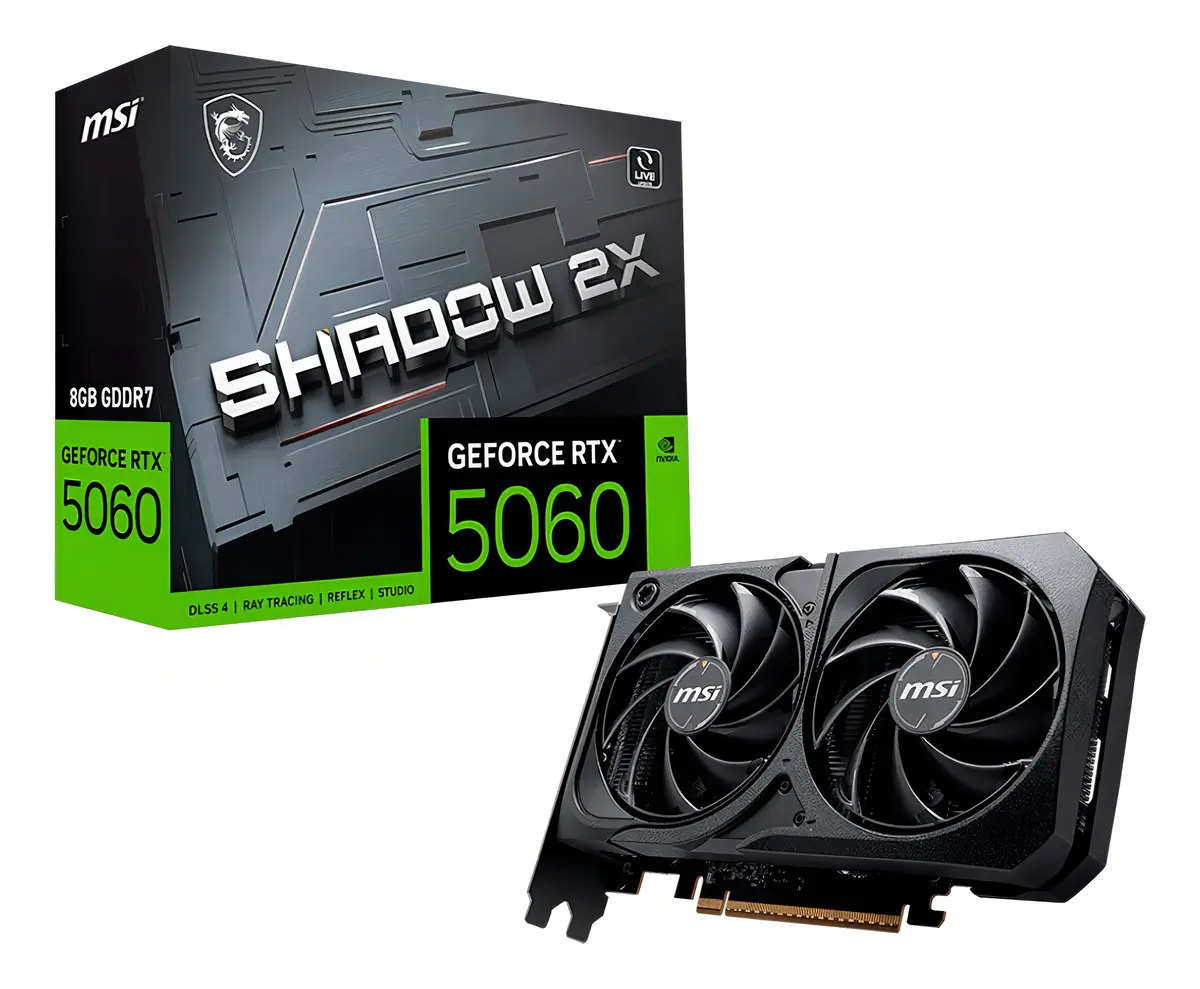
Placa de vídeo msi geforce rtx 5060 shadow 2x oc 8gb gddr7 128-bit
Ver Oferta →

celular
Samsung Galaxy S25 5G, 256GB, 12GB, Câmera Tripla - Azul marinho
Ver Oferta →